

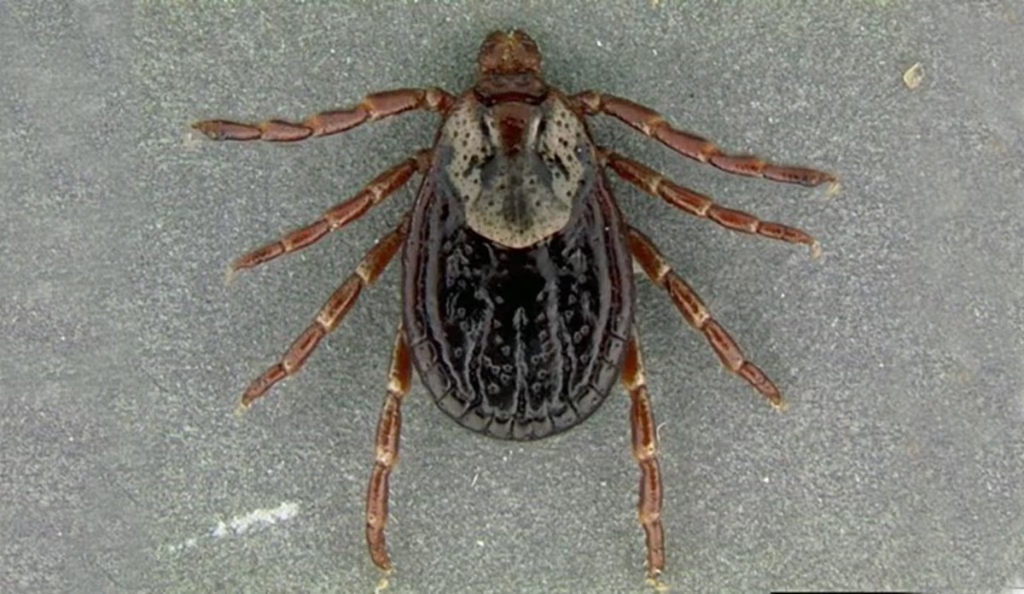

As a kid, I was always outdoors, wearing shorts and no shirt, because I was into the outdoors, I ran around where ticks were located, so I had my share of tick problems.
Ticks are a common throughout the Midwest, being active late spring through October, located in tall grass, wooded areas, and residential yards.The ticks most common are the American dog tick, Rocky Mountain wood tick, and black-legged (deer) tick are all common in South Dakota and Nebraska where I later lived!
American Dog Tick (Wood Tick): The most common tick in South Dakota , found statewide. They are often found in grassy areas and can transmit Rocky Mountain spotted fever and tularemia.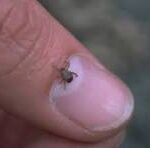
Rocky Mountain Wood Tick: Found throughout the state, particularly in wooded and shrubby regions like the Black Hills. They are also vectors for Rocky Mountain spotted fever and tularemia.
Black-legged Tick (Deer Tick): More commonly found in eastern South Dakota. These are the primary carriers of Lyme disease and antispasmodics.
Wear the right clothing: Wear light-colored clothing so ticks are easy to spot, with long sleeves and long pants, for extra measures, tuck your pants into your boots or use duct tape between your jeans and boots.
Use repellent: Use EPA-registered repellents containing DEET, picaridin, or oil of lemon eucalyptus lemongrass, clove, thyme, peppermint, rosemary and oil of lemon and reapply often.
Check and shower: Perform full-body checks (especially the hairline, armpits, between the fingers, toes and behind the knees.
After being outdoors. Shower within two hours of coming indoors, this can help wash away unattached ticks.
If you find an attached tick, pull straight up with steady even pressure using a fine-tipped tweezers, allowing you to grasp the tick as close to the skin’s surface as possible, which removes the entire tick!
After removing the tick wash the bite area and your hands with rubbing alcohol or soap and water.